Designing for global markets · Crafting interactions
Creating a tax reporting feature that Japanese accountants trusted.
I studied how Japanese accountants approached tax reporting, then designed a feature that automated calculations while preserving their sense of control.
The challenge
Update and improve local tax reporting feature.
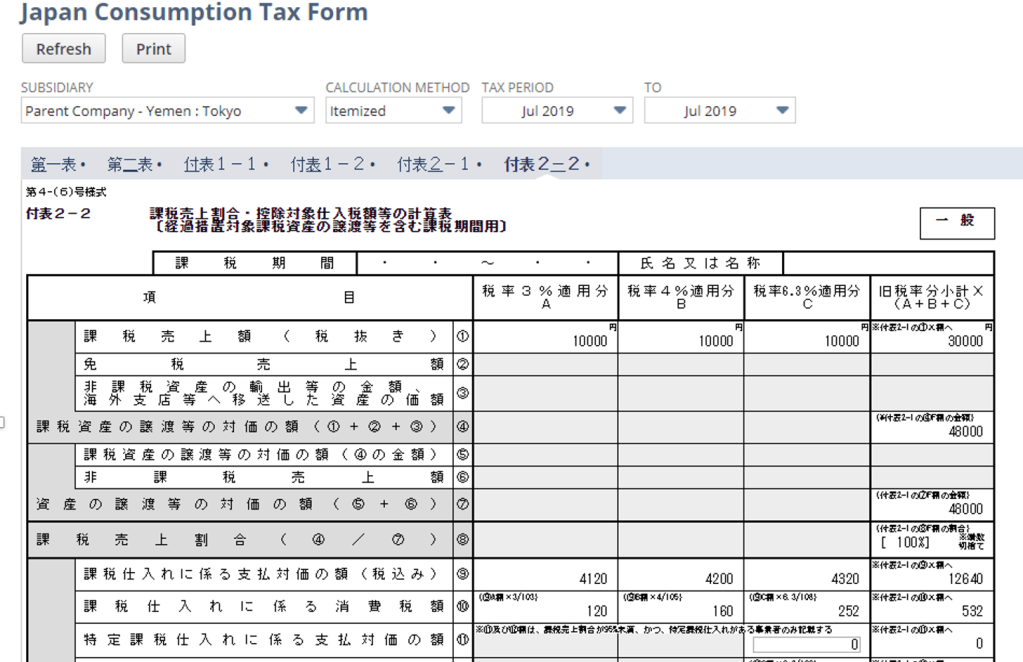
In 2019, Japan introduced tiered consumption tax rates and an updated consumption tax return form. Due to the new tax rates, the tax return form was significantly more complex.
I was asked by the Japanese product manager to update our tax reporting feature for the new requirements, while automating more of the process to reduce the time accountants spent preparing tax return.
My role
As Senior UX Designer for JAPAC, I was responsible for providing end to end UX support from user research and problem definition through design, testing and eventual handoff to developers.
Contribution 01
Conducting local user research.
I spoke with local tax experts to understand the underlying business process and reviewed our existing database of insights related to the Japanese accountant persona (the user responsible for generating the consumption tax return form for the company).
Key findings include:
Japanese accountants preferred to print out transaction lists and physically check off each verified transaction with a pencil. This tactile process gave them greater confidence in their review and made it easy to keep track of where they had left off.
Accuracy was critical to Japanese accountants. Even when they trusted their accounting system, they still wanted to verify the figures themselves before filing
Contribution 02
Reframing the design problem around trust.
The initial ask focused on supporting the new tax requirements while automating more of the process to save accountants time. Based on our research, I reframed the problem around trust: automation would only deliver that value if accountants trusted the figures the system produced.
The design challenge therefore became: How might we automate the tax return process while giving accountants the confidence to trust the results?
Contribution 03
Designing for trust.
I designed the tax return experience to give Japanese accountants the familiarity, transparency and control they needed to review the results themselves:
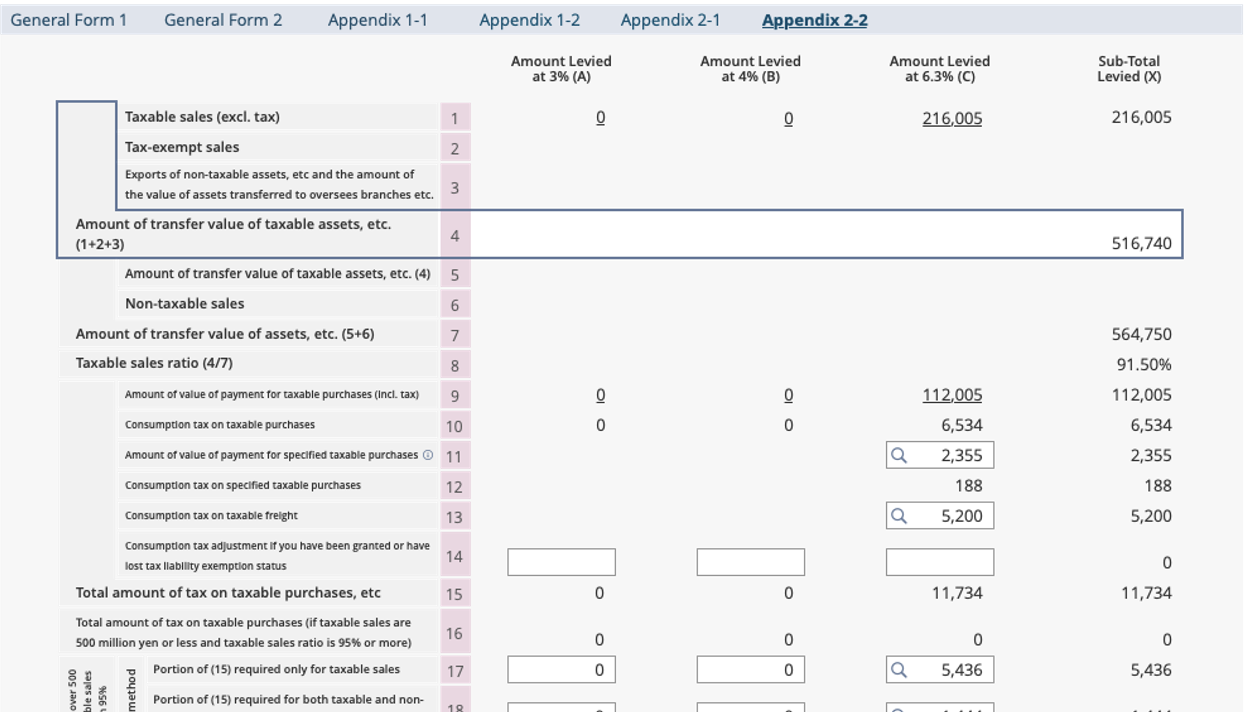
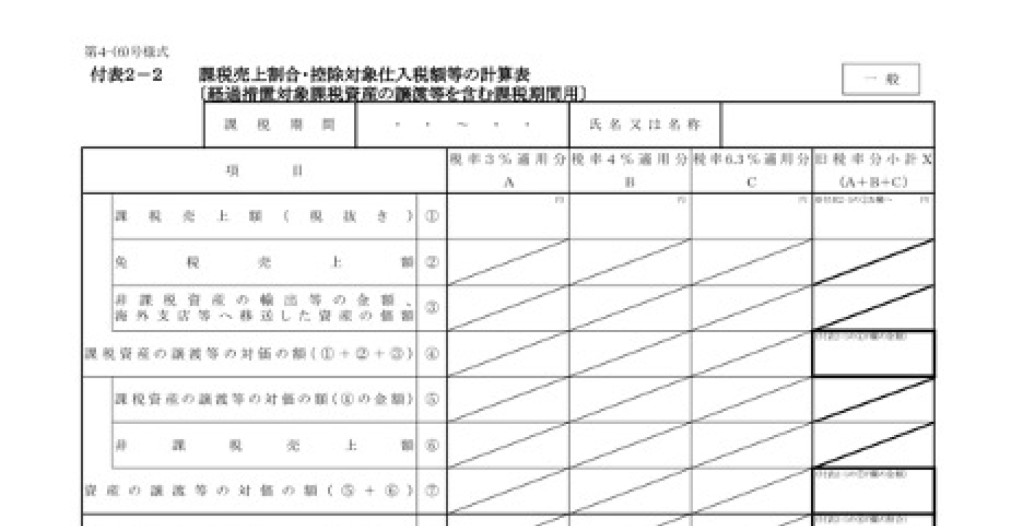
Familiarity – The online tax return form closely mirrored the tax authority’s official return format, with the option to print an exact copy for review.
Transparency and traceability – The online form clearly distinguished between system-generated, editable and user-input fields. For system-generated fields, accountants could easily drill down to the underlying transactions.
Control over the review process – Row highlighting on hover made it easier for accountants to review the figures. Once reviewed, accountants could also mark rows as reviewed and locked, translating their existing pencil-and-paper checking behaviour into the digital experience.
Contribution 04
Iterating designs based on user feedback.
I tested the designs with selected Japanese clients and learnt the following:
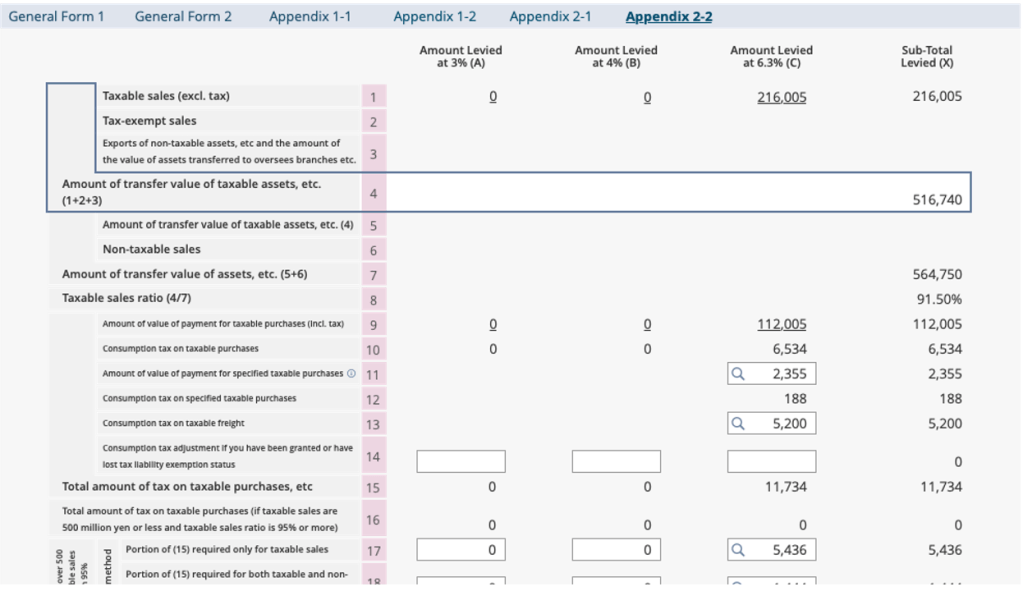
Users were delighted that the system was able to automatically generate most parts of the consumption tax return form. In addition, the drill-down functionality and option to print the return form exactly as per tax authority’s format helped give them confidence in the system-generated figures
However, users preferred to view the return form exactly as how it appeared in paper form even though the current design reduced chances for error – hence we eventually opted to implement the feature as such.
This reinforced an important lesson in designing for cultural context: a design optimised to reduce errors isn’t necessarily the one users will trust.
Outcome
Feature shipped in time for tax season.
Our final product respected this preference and was shipped to Japanese clients of Oracle Netsuite in time for the new tax season.